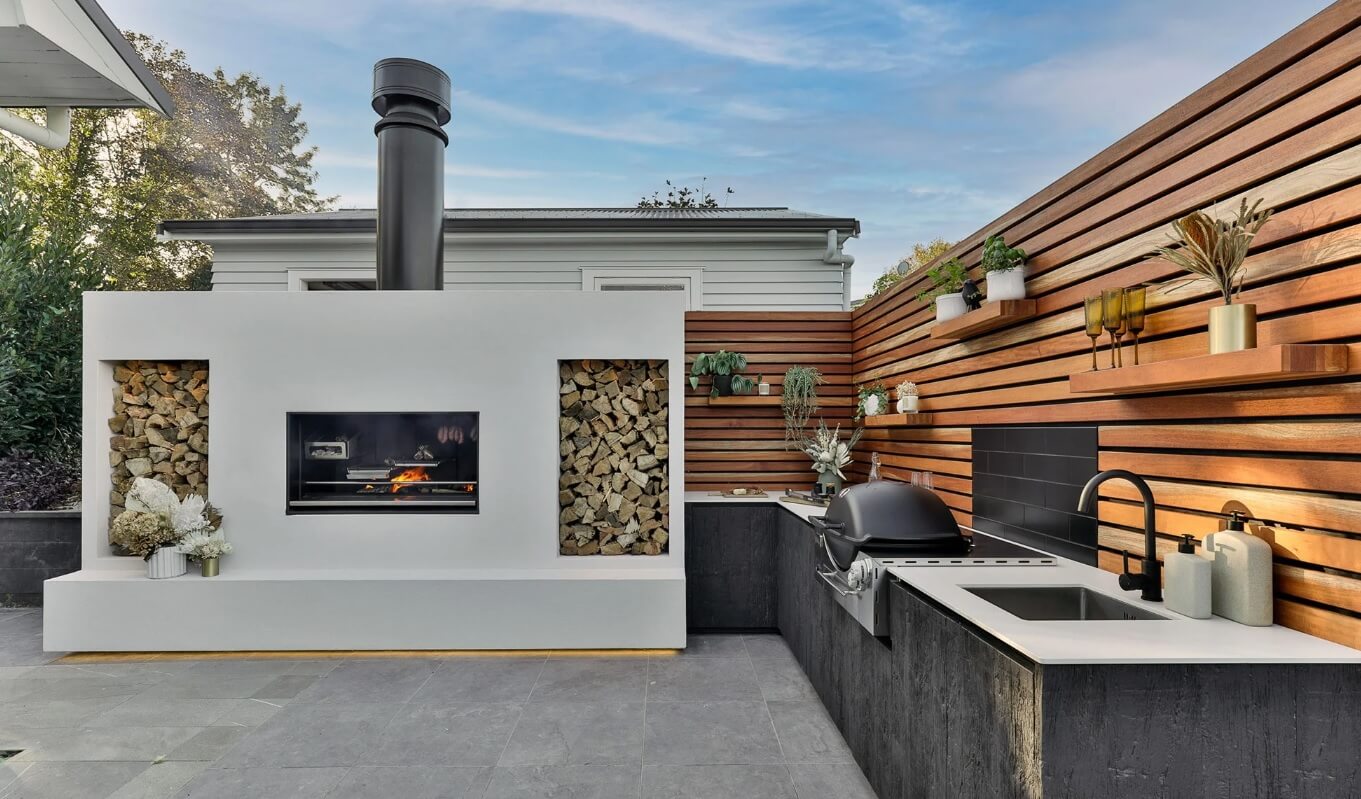
Most buyers decide how they feel about a home in seconds. Before they read the description, before they check the rooms, before they run the numbers, they react emotionally to what they see. Home staging is the process of shaping that reaction.
We stage homes to:
● Photograph better for MLS, Zillow-style platforms, and social ads
● Feel larger and more functional through proper scale and layout
● Minimize buyer objections by removing visual “noise” and confusion
● Create emotional attachment so buyers imagine living there
● Support a higher perceived value (the most underrated factor in pricing power)
Staging isn’t decoration. It’s real estate marketing—and it’s one of the highest ROI tools available when done correctly.
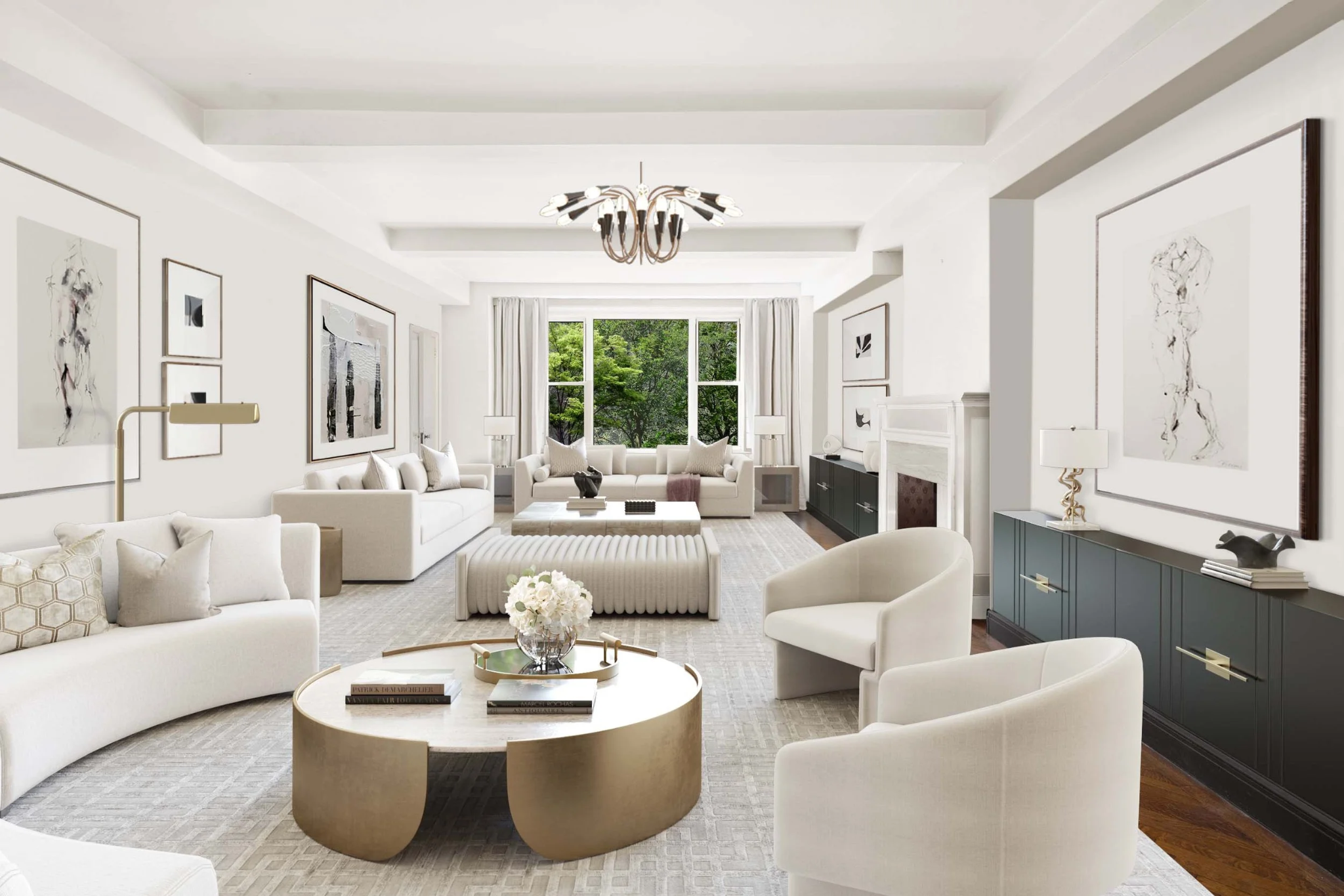
Home staging is the strategic preparation of a property for sale by optimizing:
● Furniture placement and room flow
● Lighting and brightness
● Color balance and visual calm
● Styling and buyer-neutral décor
● Function and “purpose” of each room
The goal is to create a home that feels:
● Clean
● Open
● Bright
● Easy to understand
● Easy to fall in love with
A staged home helps buyers mentally say: “This is the one.”
Home staging and interior design can look similar—but the intention is totally different.
Home staging is:
Interior design is:
If you’re selling, staging is the correct tool because it’s built for buyer psychology and conversion.
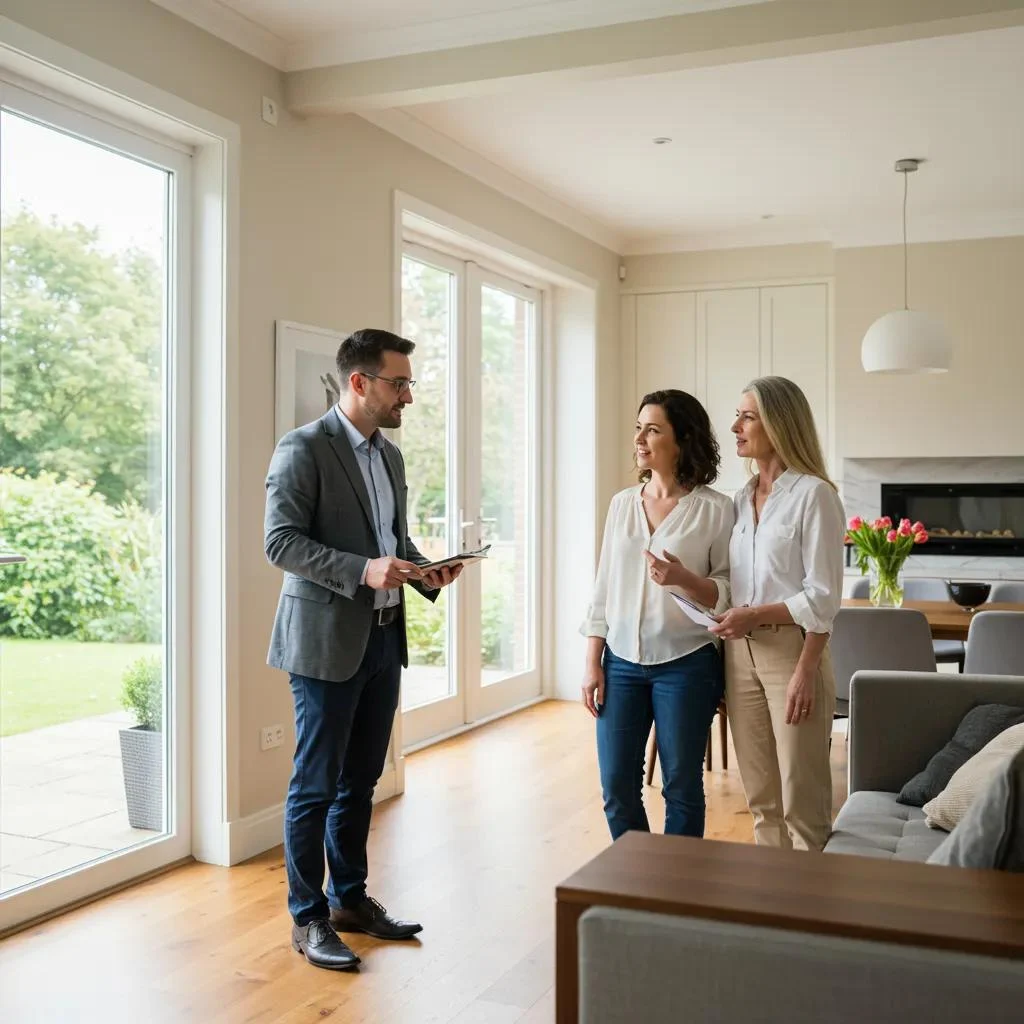
If you’re listing a home and want to maximize your result, staging helps you avoid the most common trap: pricing for perfection while showing “average.” Presentation and pricing must match.
Staging strengthens listing photos, improves click-through rates online, and supports stronger showing performance. It’s one of the fastest ways to upgrade perceived value without remodeling.
Staging can significantly reduce holding costs by improving speed to sale. It also creates a premium feel that supports top-of-market positioning.
New builds sell faster when buyers can understand scale, function, and lifestyle. Staging makes empty rooms feel complete and helps your product show like a model home.
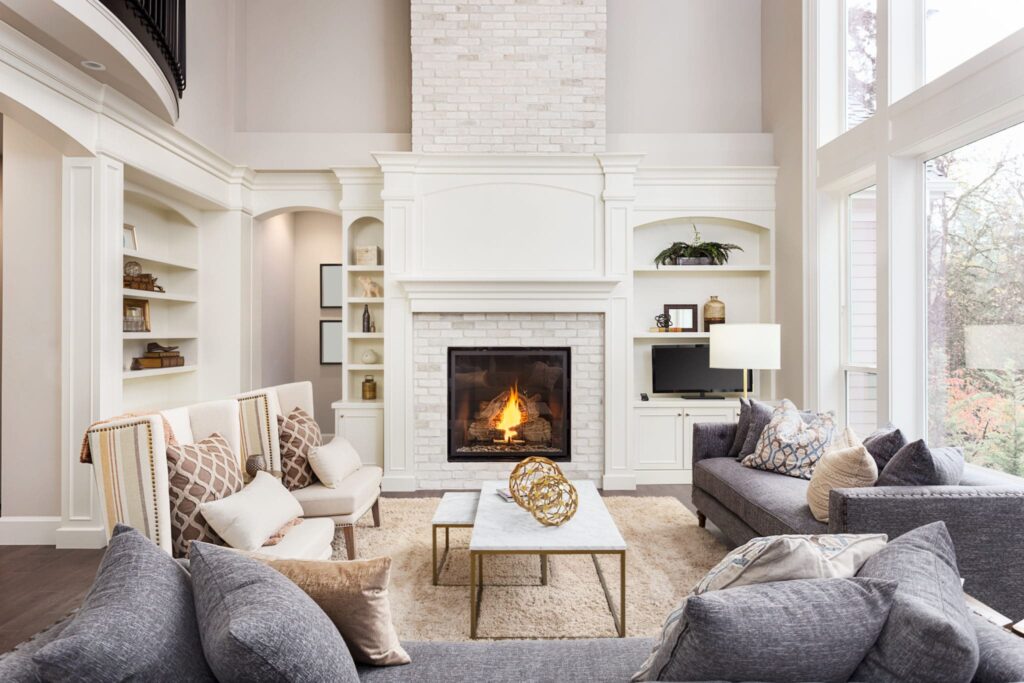
Vacant homes often feel smaller, colder, and harder to understand. Buyers struggle to estimate furniture placement and room function. We fill the space with the right scale and layout so it feels like a home—not a shell.
What vacant staging typically includes:
Best for: flips, vacant resale homes, new construction, luxury listings.
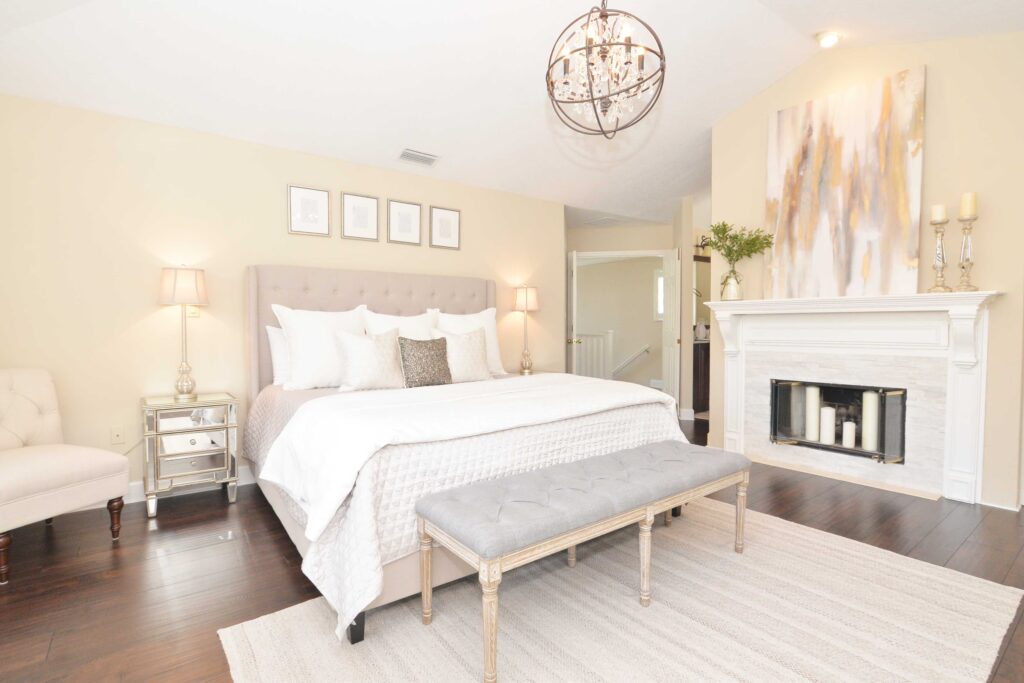
When a home is occupied, the goal is to make it feel buyer-neutral while still livable.
What occupied staging typically includes:
Best for: homeowners living in the property, quick pre-listing upgrades.
Not every property needs full staging. Sometimes the biggest impact comes from staging the rooms that drive emotional attachment and listing photos.
Most impactful rooms to stage:
Best for: condos, smaller homes, budget-focused sellers, strategic listings.
We start with a walkthrough (in-person or virtual) to evaluate:
● Layout and room purpose
● Natural light and sightlines
● Furniture scale vs room size
● Buyer demographic and neighborhood comps
● Property condition and visual objections
You’ll leave with a clear plan: what to keep, remove, replace, and enhance.
We build a staging plan that includes:
● Room-by-room goals (what the room should “feel” like)
● Furniture selections (scale and style)
● Color and texture balance (neutral + premium)
● Photo priorities (which angles we’re selling online)
● Installation scope and timeline
This is where staging becomes a strategy—because we’re designing for how buyers browse listings and walk homes.
Depending on the property, we may recommend:
● Deep clean (non-negotiable for luxury feel)
● Minor paint touch-ups
● Basic repairs (holes, scuffs, loose hardware)
● Lighting fixes (warm, consistent bulbs)
● Removing personal items and excess furniture
We keep it practical. No unnecessary work—only what moves the needle for buyers.
Our team delivers all staging items, installs, and styles:
● Furniture placement for flow and openness
● Layering rugs, art, lighting
● Kitchen and bath styling (simple, clean, high-end)
● Final “edit” pass so every view feels calm and premium
We do a final walkthrough with the listing photos in mind:
● Best angles and focal points
● Removing visual clutter
● Ensuring consistent lighting and spacing
● Correcting anything that reads “busy” on camera
If the property is staged for multiple weeks/months, we can support:
● Light refresh before open houses
● Quick styling re-touches (optional)
Once sold (or at the end of the staging term), we schedule a clean removal and return the home back to vacant condition.
We typically focus on the rooms that drive offers:
Top priority:
High-value add-ons:
Bathrooms and kitchens:
Even when we don’t “furnish” them, we style them—because these spaces can either feel high-end or feel neglected depending on presentation.
DIY staging often fails for one reason: the home is staged for the owner’s taste, not the buyer’s perception.
Professional staging corrects:
We stage for:
That’s what sells.
Pricing varies based on:
Reality: Staging is often less expensive than:
Yes—because “nice” isn’t the same as “market-ready.” Staging improves flow, perception, and online performance even in beautiful homes.
Yes. Condos often benefit more because scale and function must be crystal clear.
Yes. Occupied staging is one of the best ROI options because it upgrades presentation without full furniture replacement.
Common staging terms are 30–90 days, depending on the market and listing strategy.
Yes—photo-ready staging packages are possible for some properties.
(+1) 713-505-7171